
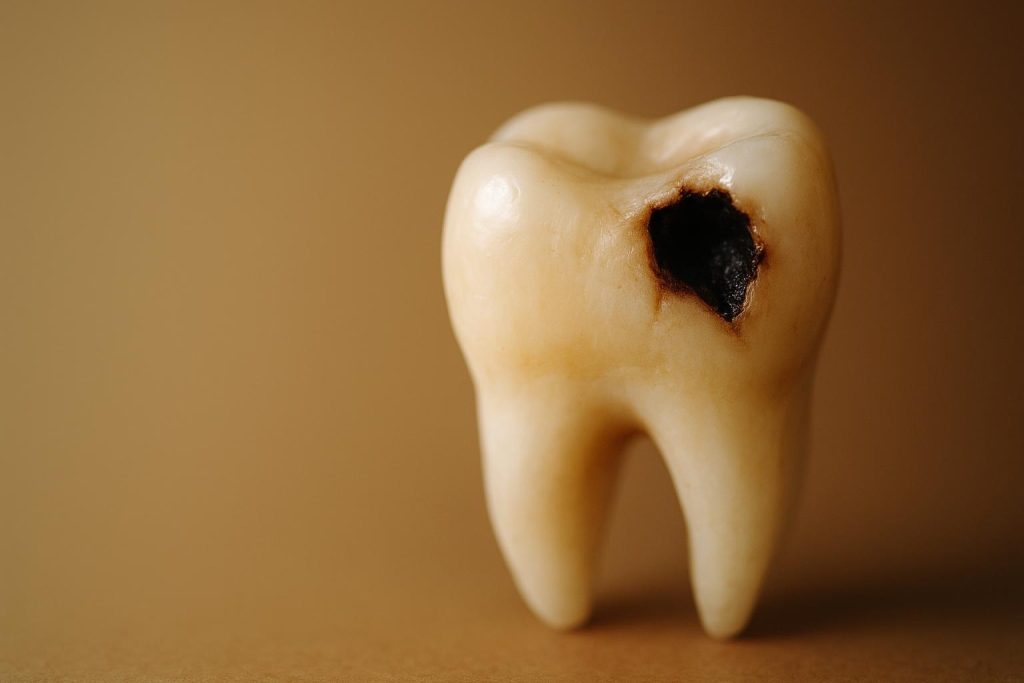
The Dangers of Leaving Cavities Untreated
Cavities might seem like a small inconvenience when they first appear. The earliest stage can feel like a mere annoyance—a mild sensitivity to sweet foods or a dull ache that comes and goes. However, the reality is that not getting a cavity filled can lead to progressive damage with serious consequences for both your oral health and overall well-being. In this guide, we will explore what happens if a cavity is ignored, the risks of failing to address tooth decay, and why timely treatment, such as getting a filling, makes all the difference.
1. Progression of Tooth Decay
When tooth decay first develops, the outer layer of your tooth enamel starts to weaken. In the earliest stages, the decay might only be visible as a light spot or a small pit on the tooth’s surface. At this point, a simple filling is often enough to repair the affected area and protect the rest of your tooth. Unfortunately, avoiding or postponing this relatively quick procedure allows the decay to spread deeper.
As the decay burrows through the enamel and into the layer beneath it (the dentin), you might experience more pronounced symptoms, such as lingering sensitivity after eating or drinking something hot or cold. It may also result in throbbing discomfort, indicating that the decay is advancing. If left untreated at this stage, the decay can seep into the inner pulp, which houses nerves and blood vessels crucial to the tooth’s vitality. The deeper it goes, the riskier and more extensive the required treatment becomes.
2. Risk of Infection and Abscess Formation
One of the most pressing dangers of an untreated cavity is the risk of infection in the tooth’s pulp. This pulp is a sensitive core containing nerve tissue and blood vessels. When decay reaches the pulp, bacteria can infect this soft core, creating inflammation and severe discomfort. This escalation may lead to an abscess—a localized pocket of pus—that not only causes significant pain but can also produce facial swelling, fever, and difficulty chewing.
Once an abscess forms, you will likely require more advanced treatments. In many cases, root canal therapy may become necessary to clean the infection out of the tooth’s canals. If the situation worsens, an extraction might be the only remaining option. Beyond the pain and discomfort, serious tooth infections can harm your overall health by spreading through the bloodstream, making it more difficult for your body to fight off other illnesses.
3. Chronic Pain and Ongoing Discomfort
Small, easily managed aches can turn into persistent, debilitating pain when a cavity goes untreated. The tooth no longer has the same protective barriers once decay starts breaking down the enamel and dentin layers. You may begin to feel sharp pangs while eating, biting, or even breathing in cold air. Trying to wait out the discomfort rarely works. Over time, the decay only grows, and you might find yourself experiencing near-constant sensitivity or toothaches.
Even worse, the throbbing or shooting pain that occurs once bacteria reach the nerve pulp can disrupt your daily life. Tasks like focusing on work or enjoying meals become challenging, all because a once-manageable cavity transformed into a more extensive problem. Prompt treatment ends this cycle by addressing the source of the pain rather than masking the symptoms.
4. Risk of Tooth Fracture or Breakage
When decay undermines the tooth’s structure, the overall stability is compromised. A weakened tooth is far more likely to crack or break with normal use, such as biting down on a piece of food that’s slightly harder than usual. Even everyday chewing can lead to fractures once the foundation is weakened by decay.
A tooth fracture is not only painful, but it can also be difficult and expensive to fix. In some cases, the damage cannot be adequately repaired, and that might leave you with no choice but to have a tooth removed. A fracture can also expose the inner pulp to bacteria more quickly and speed up the process of infection.
5. Loss of Natural Tooth
If decay continues unchecked, it may progress to the point where saving the tooth becomes either extremely difficult or impossible. Once a tooth is compromised by a large cavity or a severe infection, extraction may be the only option. While modern dentists can offer lifelike replacements such as implants, bridges, or dentures, losing a natural tooth can impact the alignment of your bite, your ability to speak clearly, your confidence in your smile, and your diet.
Furthermore, the cost of replacing a missing tooth is typically much higher than the cost of placing a simple filling early on. The staggering difference in price, time, and effort is a significant inconvenience. Most people would prefer to preserve their natural teeth, and taking care of cavities promptly is a key step in keeping your own set intact for years to come.
6. Increased Risk of Gum Disease
Dental plaque doesn’t just cause cavities; it is also one of the main culprits behind gum disease. When you leave a cavity unaddressed, bacteria thrive in that environment. The bacteria can migrate from your teeth down to the areas around the gumline, setting the stage for gingivitis or periodontal disease. Over time, untreated gum disease can lead to gum recession, gum pockets, and even bone loss around the teeth.
Although there are many contributing factors to gum disease (including genetics, diet, and oral hygiene habits), an untreated cavity can certainly accelerate gum issues. Taking a proactive stance—by filling cavities before they develop into major problems—helps limit these complications and supports the overall health of your mouth.
7. Potential Impact on Your Overall Health
Oral health and general body health are closely linked. When a cavity is left to fester, harmful bacteria have more opportunities to enter the bloodstream and spread to other parts of the body. This can contribute to a range of health concerns, including cardiovascular problems or complications for individuals managing chronic conditions. Persistent infections place stress on your immune system and can potentially weaken your body’s defenses.
People who experience inflammatory conditions or certain autoimmune challenges are especially vulnerable to oral bacteria. By keeping your mouth healthy—through prevention and timely treatment of cavities—you help boost your body’s ability to maintain overall health. It’s yet another reason why ignoring cavities can have a domino effect that stretches well beyond your teeth.
8. More Complex and Costly Treatments
A straightforward cavity filling is usually one of the least expensive and easiest dental treatments to undergo. However, each day that the cavity remains, the decay can advance into deeper layers of the tooth, skyrocketing the cost and complexity of the solution. By the time you notice strong, persistent pain, you may require multiple dental visits, more-invasive treatments, or emergency diagnosis and care.
Some additional procedures that may become necessary if you wait include:
- Root canal therapy: This often becomes necessary when decay reaches the pulp, causing infection or severe pain.
- Crowns: A crown is sometimes needed when a portion of the tooth is too weak, fractured, or severely decayed. It covers and protects the remaining structure.
- Tooth extraction: If the cavity has destroyed most of the tooth or led to a persistent infection, removing it altogether might be the only option. A tooth extraction not only affects your smile, but it can also result in additional costs for tooth replacements.
All of these treatments cost more time and money than a single filling. Addressing the issue early means fewer appointments, less discomfort, and the ability to keep more of your natural tooth intact.
9. Spread of Decay to Surrounding Teeth
Decay and bacteria can be highly contagious within the mouth. When you have a cavity that remains unresolved, the bacteria can easily spread to neighboring teeth. This can create a vicious cycle: one untreated cavity can lead to multiple cavities, each of which weakens your overall dental health.
This is particularly important for individuals with compromised immune systems or for families that share utensils. While casual contact might not instantly transmit a cavity, there is enough bacterial exposure in daily life to consider the possibility of cross-contamination—even more reason to be vigilant with regular cleanings and timely fillings.
10. Lower Self-Confidence and Quality of Life
Though the physical risks of an untreated cavity are significant, the emotional toll should not be overlooked. Persistent pain, infection, or visible holes and discoloration can impact your confidence. You might feel self-conscious about letting others see your smile, which can affect daily interactions, both socially and professionally.
Even mild tooth pain can lower your mood and energy levels. When it hurts to eat or when you are focused on discomfort every day, your mental health and outlook naturally suffer. Addressing cavities means an opportunity to care for your smile and your emotional well-being. Feeling comfortable with your teeth and free from ongoing pain can enhance your overall quality of life.
11. Importance of Early Detection and Regular Checkups
A significant factor in preventing or managing cavities is early detection. Scheduling regular dental exams and professional cleanings can often catch small cavities before they become severe. During these routine appointments, the dentist can identify decay in its early stages and recommend timely treatments so that you can avoid complex procedures later. Consistent maintenance goes a long way in preserving both the health and appearance of your teeth.
You can also discover other underlying issues during a checkup, such as early signs of gum disease or cracks in the enamel. Investing in preventive care helps you avoid the expense and stress that arise from waiting until something becomes extremely painful.
12. How a Filling Helps: Simple, Effective Protection
While it might feel daunting to schedule a filling, the procedure itself is typically straightforward. Your dentist will remove the decayed portion of the tooth, seal it with a filling material, and ensure your bite feels natural and comfortable once the treatment is complete. By doing this, the remaining healthy tooth structure is protected from further damage. You can also opt for tooth-colored fillings that blend in with your natural enamel, leaving you with a restored smile that looks and feels great.
Should you want more information on how fillings can be used to repair decay, you can learn more at Dental Fillings. Understanding how a filling works and the advantages it offers may reduce any hesitation you have about the procedure.
13. Comprehensive Care and Future Prevention
Beyond addressing the current cavity, dentists focus on preventing new ones from forming. This often includes teaching proper brushing and flossing techniques, nutritional guidance, and advice on how to minimize sugary or acidic foods. Some patients benefit from additional support like fluoride treatments, sealants, and specialized products designed to protect enamel.
An awareness of your own risk factors is also crucial. If you experience frequent cavities or have specific medical conditions that affect your enamel, your dentist can tailor a preventive plan to keep your teeth in top shape. By taking this proactive approach, you reduce the risk of large-scale decay that might otherwise put your teeth at long-term risk.
14. Address Discomfort Early and Avoid Emergencies
Nobody likes to deal with emergencies, especially ones that can be prevented. Untreated cavities often lead to late-night pain, weekend phone calls to emergency dentists, and sudden interruptions in daily life. By treating a cavity in its early stages, you can avoid these urgent crises and ensure that your dental care happens on your own schedule.
If pain does strike at an inconvenient time, know that prompt emergency dental care can help you find relief. However, regular dental visits and timely fillings are your best tools to steer clear of these stressful situations.
15. Take Action for a Healthier Smile
If you suspect you have a cavity—perhaps you’ve noticed a dark spot on your tooth, occasional sensitivity, or a consistent ache—don’t wait. Skipping or delaying a filling means risking intensified pain, infections, abscesses, and potential tooth loss. Addressing the problem early not only saves you from more complicated procedures but also helps you preserve your healthy, beautiful smile for years to come.
Remember, a cavity doesn’t repair itself. The best time to get a filling is as soon as you catch the issue. Doing so protects your tooth’s structural integrity and preserves your comfort and confidence. Everyone deserves to eat, speak, and laugh without worrying about pain or embarrassment from tooth decay. If you have questions or concerns about fillings and cavity prevention, reach out for a consultation. By tackling the issue head-on, you can stay ahead of costly complications and keep your natural smile shining bright.


